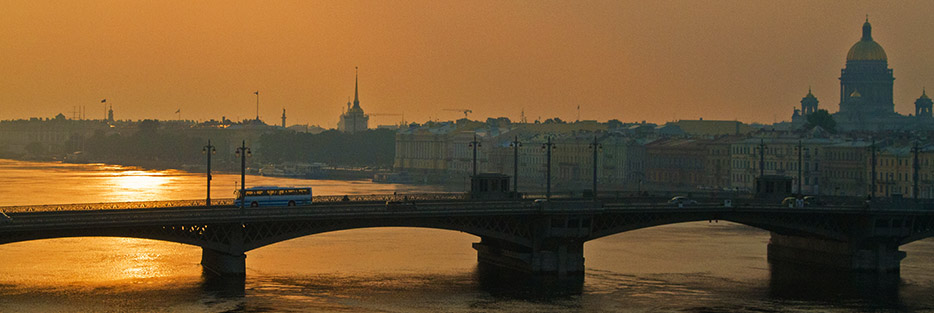
1 – 13 August 2015
Join Wine Diva Deb on the Azamara Quest experiencing a romantic summer following the midnight sun to the Baltic and great ports of Germany and Poland.
From Travemünde see the Hanseatic town of Lübeck and sample its famous marzipan, or opt for a day trip to Hamburg. You’ll have plenty of time in Wismar for a visit to Berlin or beautiful Schwerin Castle in lake country, the home of dukes and archdukes. Explore the ancient churches and pretty countryside on the resort isle of Bornholm, a favorite vacation spot for Scandinavians and others. Shop for amber in the red-brick Old town of Gdansk, then enjoy a day in Estonia roaming the delightful Old town, shops and cafes of Tallinn (be sure to taste the famous beers). Three days in culture-rich St. Petersburg give you time for the imperial treasures of Catherine Palace, the Hermitage and Peterhof Palace. Visit the Design Museum and Rock Church in tech-centric Helsinki, and enjoy scenic cruising among the 24,000 islands of the Stockholm Archipelago en route to its namesake city.
Voyage Details
| Date | Port/City | Activity | Arrival | Depart |
| Sat 1 Aug | Copenhagen, Denmark | Embark | 8:00pm | |
| Sun 2 Aug | Travemunde (Lubeck), Germany | Docked | 8:30am | 10:00pm |
| Mon 3 Aug | Wismar (Berlin), Germany | Docked | 7:00am | 11:59pm |
| Tue 4 Aug | Ronne, Bornholm, Denmark | Docked | 12:00pm | 6:00pm |
| Wed 5 Aug | Gdansk (Gdynia), Poland | Docked | 8:00am | 11:00pm |
| Thu 6 Aug | At Sea | Cruising | ||
| Fri 7 Aug | Tallinn, Estonia | Docked | 8:00am | 4:00pm |
| Sat 8 Aug | St. Petersburg, Russia | Docked | 8:00am | |
| Sun 9 Aug | St. Petersburg, Russia | Docked | ||
| Mon 10 Aug | St. Petersburg, Russia | Docked | 7:00pm | |
| Tue 11 Aug | Helsinki, Finland | Docked | 9:00am | 5:00pm |
| Wed 12 Aug | Stockholm, Sweden | Docked | 9:30am | |
| Thu 13 Aug | Stockholm, Sweden | Debark |

Port Details
Copenhagen, Denmark
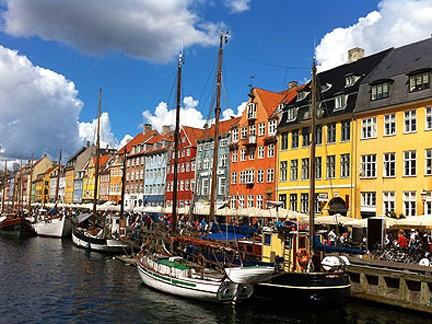 Copenhagen is known as a city of spires: the skyline of its medieval core is punctuated only by the steeples of churches and towers of palaces, though a modern building boom has overtaken other parts of the city. Today’s Copenhagen is known for its excellent quality of life and environmental consciousness – with many parks, it is green both literally and in today’s sense of the word. It is also bicycle-friendly, with bike paths lining almost every major street. After a ride or wander through the old town, stop for a local repast of Smørrebrød, traditional open-face sandwiches, or a mouthwatering Danish pastry.
Travemunde (Lubeck), Germany
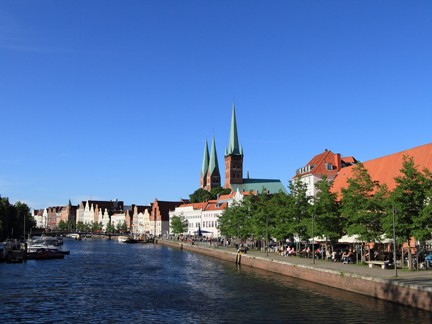 The appealing medieval town of Lubeck is self contained, separated from newer parts of the city by a canal and river that once doubled as a moat. Within this precinct are some 1300 houses, churches, and courtyards protected as a UNESCO World Heritage site. Local lore has it that Lubeck is also the original home of marzipan, a serendipitous discovery during a siege, when the town ran out of flour and ground up nuts to use in making a bread substitute. Hot tip for those with a sweet tooth – Café Neideregger is said to make the best, and they have been doing so since 1806.
Wismar (Berlin), Germany
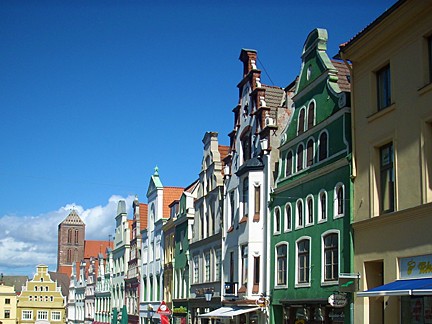 Once a small, medieval port in northern Germany on the Baltic Sea, Wismar is now a UNESCO World Heritage Site. Take a walk through the city’s storybook-like streets, and it’s easy to see why: the Wassertor (water gate), is the last surviving medieval gate; the 13th century ruin of St. Mary, Marienkirche, and its towering steeple, is the last remaining original Brick Gothic structure; and the church of St. Nicholas, St-Nikolai-Kirche, is the largest of its kind in Europe. The heart of the old town is Wismar’s Market Place, with architecture as varied as it is beautiful—German Gothic to Romanesque revival to Art Nouveau. Visit the historical museum Schabbellhaus, housed in a former brewery, then make your way back to the picturesque old harbor. Take a boat cruise, admire the reconstructed Hanseatic “Wissemara”, or enjoy a traditional Baltic lunch such as fischbrötchen, a small bag of smoked shrimp.
Ronne, Bornholm, Denmark
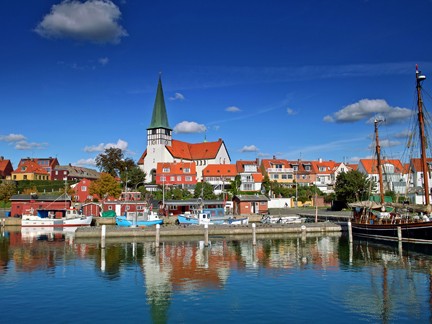 The island of Bornholm is a far-flung bit of Denmark that appears to have gotten lost in the Baltic Sea between Sweden and Poland. It boasts numerous picturesque fishing villages and 15 medieval churches, some of which are 12th century round structures with unique artwork and architecture. Take a stroll down quiet cobbled lanes in the old part of the capital, Ronne, a garden town, where backyard plots produce flowers and fruit, though they may not be easy to spot behind the fine half-timbered houses. Wednesday is market day on the main square of St. Tory, a great opportunity to chat up the locals, and see what’s on offer at their stalls.
Gdansk (Gdynia), Poland
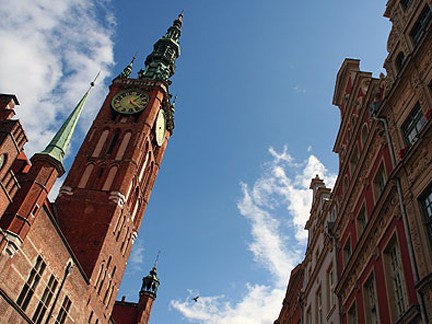 Gdańsk is a 1,000-year-old port city on the Baltic coast of Poland, which, together with the city of Gdynia and the town of Sopot, makes up the metropolitan area Trójmiasto, “the Tricity”. Home to the Westerplatte, where World War II broke out in 1939, Gdańsk was mostly destroyed during the war, but there are still many impressive sights. Wander through cobblestone streets and mazes of red-brick buildings to discover the Upland Gate, St. Mary’s Church, the medieval Gdańsk Crane or the stunning façade of the Great Arsenal. Explore treasures of “Baltic Gold” at the Amber Museum or collections of paintings, fabrics, and furniture at the National Museum, housed in a former Franciscan monastery. Relax at a beer garden or restaurant and take in the beautiful coastline. Make your way to Gdynia, home of the Polish navy, to feast on seafood or a visit to a floating museum in the form of two ships—Dar Pomorza and Blyskawica.
Azamazing Evening
Discover true rapture during an evening of classical Polish music in the Polish Baltic Philharmonic concert hall. An establishment of great global standing, classical music lovers from all over the world visit this exceptional symphonic chamber to hear its heart-rending performances. Home to a recording studio and plastic arts gallery, too, the Philharmonic hosts a variety of concerts, recitals and soirees throughout the year.
Tallinn, Estonia
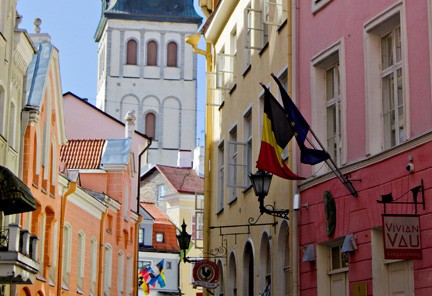 Despite occupation at one time or another by each of its near neighbors, Tallinn is independent-minded and has creative ways of showing it – consider the Singing Revolution of 1988, the massive musical demonstration against Soviet rule that set Estonia on the path to independence. Visit St Olav’s Church, once the tallest building in the world, at least until 1625. Then pull up a chair at one of the cafés in the charming town square, heart of the city for 800 years. After your coffee, explore St. Catherine’s Passage, a quaint old lane, home to a collection of craft workshops, and check out the secret 17th C. tunnel system.
St. Petersburg, Russia
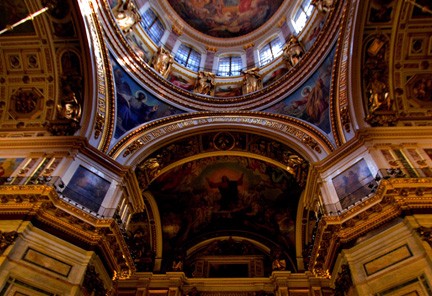 Tsar Peter the Great founded this magnificent city in 1703 as a window to the West, a launching pad for his attempt to modernize Russia and open up to outside influences. The architecture is varied and striking, with golden domed churches, and an astounding number of large and extravagantly decorated palaces, consistently evoking wows from visitors. The grandest include the countryside Peterhof, with its lavish gardens and majestic golden fountains cascading down to the Gulf of Finland; and the Winter Palace, within the complex of the Hermitage, one of the world’s largest museums, with a collection of some three million works of art and artifacts.
Helsinki, Finland
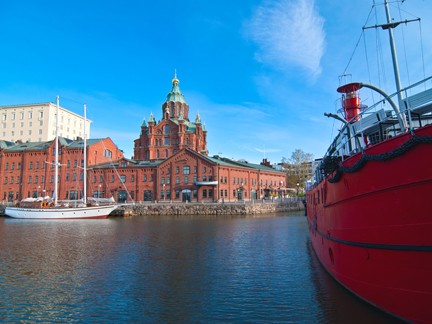 Helsinki is a successful blend of traditional and modern architecture and design, interwoven with the beauty of nature, and a few quirky, purely Finnish touches – such as a church built inside a giant chunk of granite, and a venue that is a unique combination of café, restaurant, bar, laundromat, and sauna. Classic Russian onion-domed churches share the stage with Nordic minimalism, and a large concentration of Art Nouveau buildings. Prominent globally in the fields of technology (think Nokia) and design (Marimekko and Aero), Finland has also recently topped the charts as having the world’s best educational system.
Stockholm, Sweden
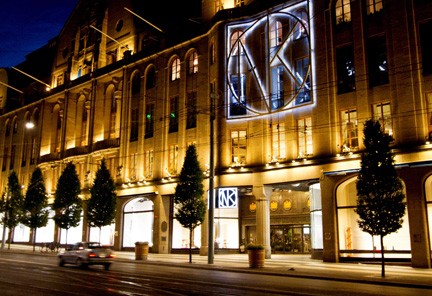 Lively, cosmopolitan Stockholm sports an appealing mix of modern Scandinavian architecture and fairy tale palaces, watched over by a Board of Beauty, responsible for preserving the city. One third of its area is devoted to green space, and another third to waterways, providing lots of room to breathe. Gamla Stan is the oldest section, retaining the medieval layout of narrow meandering paths. For the contemporary take there’s Sodermalm, known trendily as SoFo, with welcoming restaurants and pubs, specialty shops and boutiques. Stieg Larson fans hang out here, as it is the area of the city where most action in the Millennium novels takes place.
On Board Inclusions
- Exclusive onboard amenities
- An AzAmazing EveningSM event on every voyage
- Select standard spirits, and international selection of beers in addition to boutique red and white wines throughout the voyage
- Gratuities (dining, bar and housekeeping)
- Shuttles to/from port communities, where available
- Bottle of Champagne per stateroom
- Destination-influenced entertainment & enrichment
- 24-hour room service
- Bottled Water, Sodas and specialty Coffee & Teas
- Personal stationery
- Concierge Service
- Self-Service Laundry
- Spa and Wellness Center
- All gourmet meals
- Casino
- Aqua Spa and Fitness center
- Piano and Wine bar, and Live Entertainment
Pricing Details* (per person US$)
*Airfare not included in prices listed
| Pricing | ||
 |
Balcony Cabin | $7,680 |
 |
Window Cabin | $5,830 |
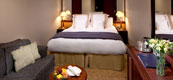 |
Inside Cabin | $5,480 |
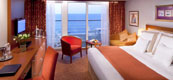 |
Suite | $9,980 |
To Reserve your space
Send email to: winedivadeb@yahoo.com or call Wine Diva Deb on 206-617-6160.
A deposit of $1,100/cabin or $2,220/Suite is required. Final Payment due March 15, 2015.
All reservations based on double occupancy. Non refundable $25 booking fee will apply to all booking. Travel Insurance highly recommended as well as Personal & Medical Insurance.
Azamara Club Cruises reserves the right to impose a fuel supplement on all guests if the price of West Texas Intermediate fuel exceeds US$65 per barrel.
^ North American residents only